
Manga Character Sheet Guide: Selfie to Turnaround
A character sheet is the reference page that keeps a manga or webtoon character looking like themselves from the first panel to the last. Whether you are drawing a short comic, building a webtoon series, or briefing an artist on a commission, a good character sheet answers the questions every collaborator asks: What does this face look like in profile? What does the hairstyle do from behind? How tall is the hero compared to the sidekick?
What Is a Character Sheet in Manga?
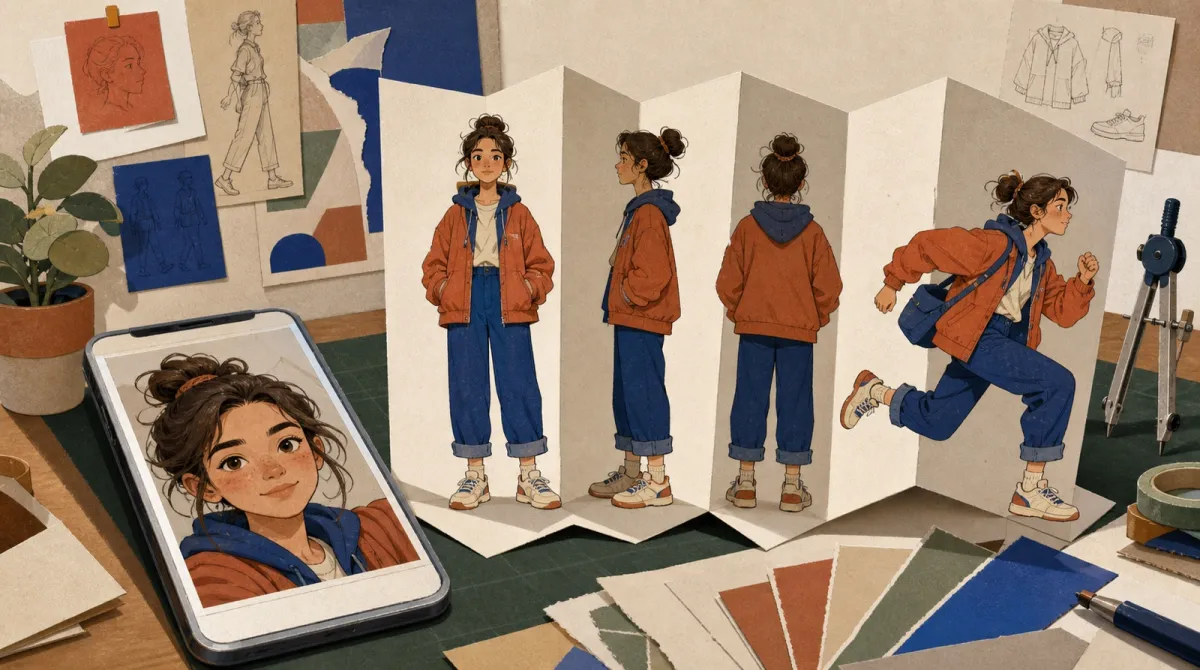
A character sheet is a set of drawings that documents one character in a consistent way. It usually includes a main pose, facial expressions, outfit details, and one or more turnarounds. The turnaround is the part most people picture first: the same character shown from several angles on a neutral background.
In Japan, the classic three-view drawing is called 三面図 (sanmenzu). In Chinese-speaking communities you will see 三視圖. In English, artists tend to say manga character turnaround or model sheet. The terms overlap, but the goal is the same: give everyone a single source of truth for how the character is built.
Front, Side, and Back Views
A standard manga character turnaround has three core views:
- Front view: The face, eye spacing, hairline, and overall silhouette. This is where you lock in facial proportions and signature details like a scar, a beauty mark, or glasses.
- Side view: Nose length, jaw shape, ear placement, and posture. Side views reveal how the hair volume sits and how the body reads when turned, which the front view hides.
- Back view: Hairstyle structure, collar and strap placement, bag or backpack details, and anything that only exists on the back of the outfit.
Some artists add three-quarter views or a top-down reference, but front, side, and back are the foundation. Without the back view, a hair accessory or a jacket logo can quietly disappear from one panel to the next.
Why Turnarounds Keep Characters Consistent
Manga is drawn by hand across hundreds of pages, often by several people. Small drifts add up. A character's eyes get a little wider in chapter three, the ponytail moves to the other shoulder, the school uniform loses its second button. Readers notice, even if they cannot name the problem.
A turnaround solves this because it gives every artist, colorist, and letterer the same reference from every angle. When a character must be drawn in a new pose, the artist can check the side view rather than guessing. When a scene calls for the character to face away, the back view is already there.
Why Commissions Depend on Them
If you commission art, a character sheet is one of the clearest things you can hand over. It cuts down on revisions because the artist sees exactly what you expect before drawing the final piece. It also protects you if you later want a second artist to draw the same character for a sequel, merchandise, or a short comic. If you are thinking about selling the finished art or using it commercially, our guide on AI manga commercial use covers the questions to ask before you publish.
How to Make a Character Sheet from a Selfie with AI
You do not need to be a professional illustrator to start. If you have a clear reference photo of yourself or a friend, AI tools can turn that photo into a manga-style base and help you organize it into a turnaround. Here is a practical workflow.
Step 1: Choose a Clean Reference Photo
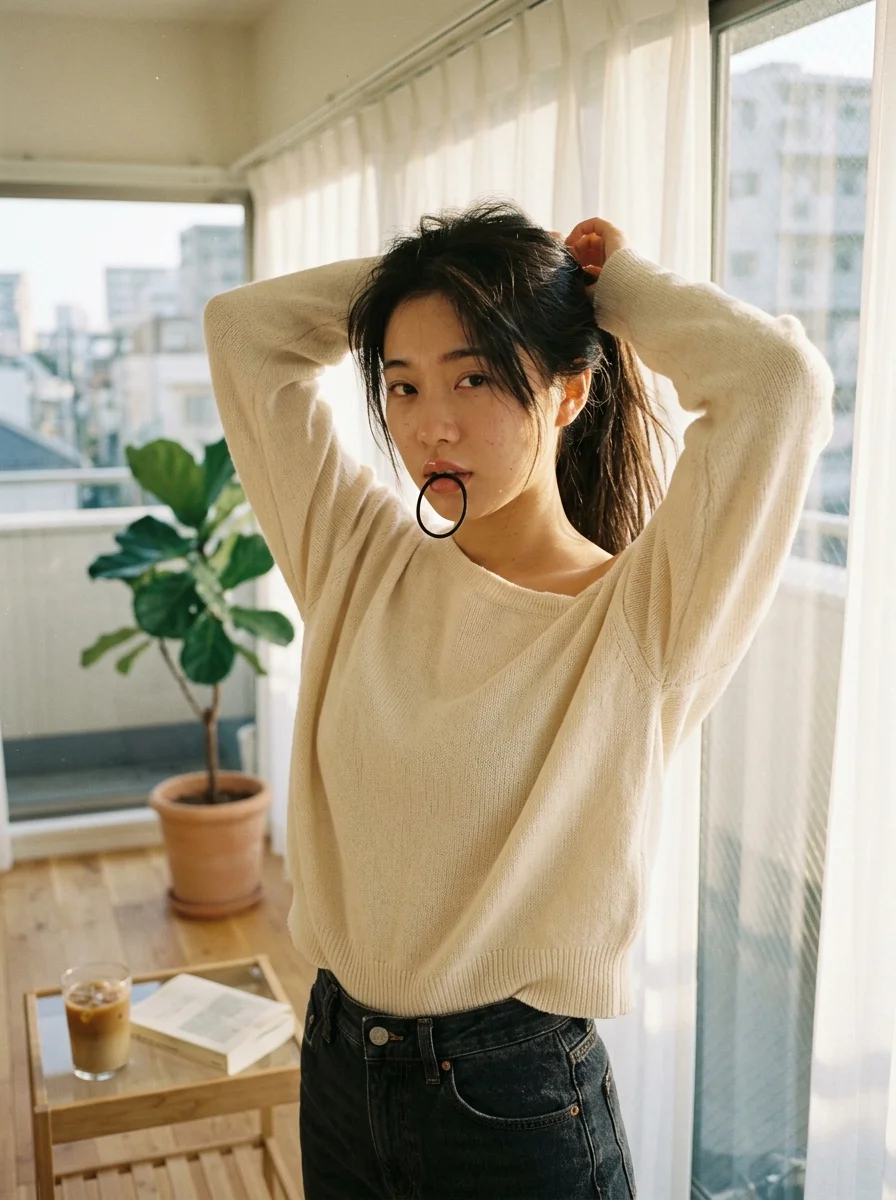
Start with a well-lit, front-facing photo where the face is fully visible, the hair is not covering the eyes, and the background is simple. Avoid heavy filters, sunglasses, and extreme angles, because they hide the proportions you want to carry into the drawing. If you plan to build side and back views later, take a second photo from a slight side angle so the AI has more structural information to work with.
Step 2: Convert the Photo into a Manga Base
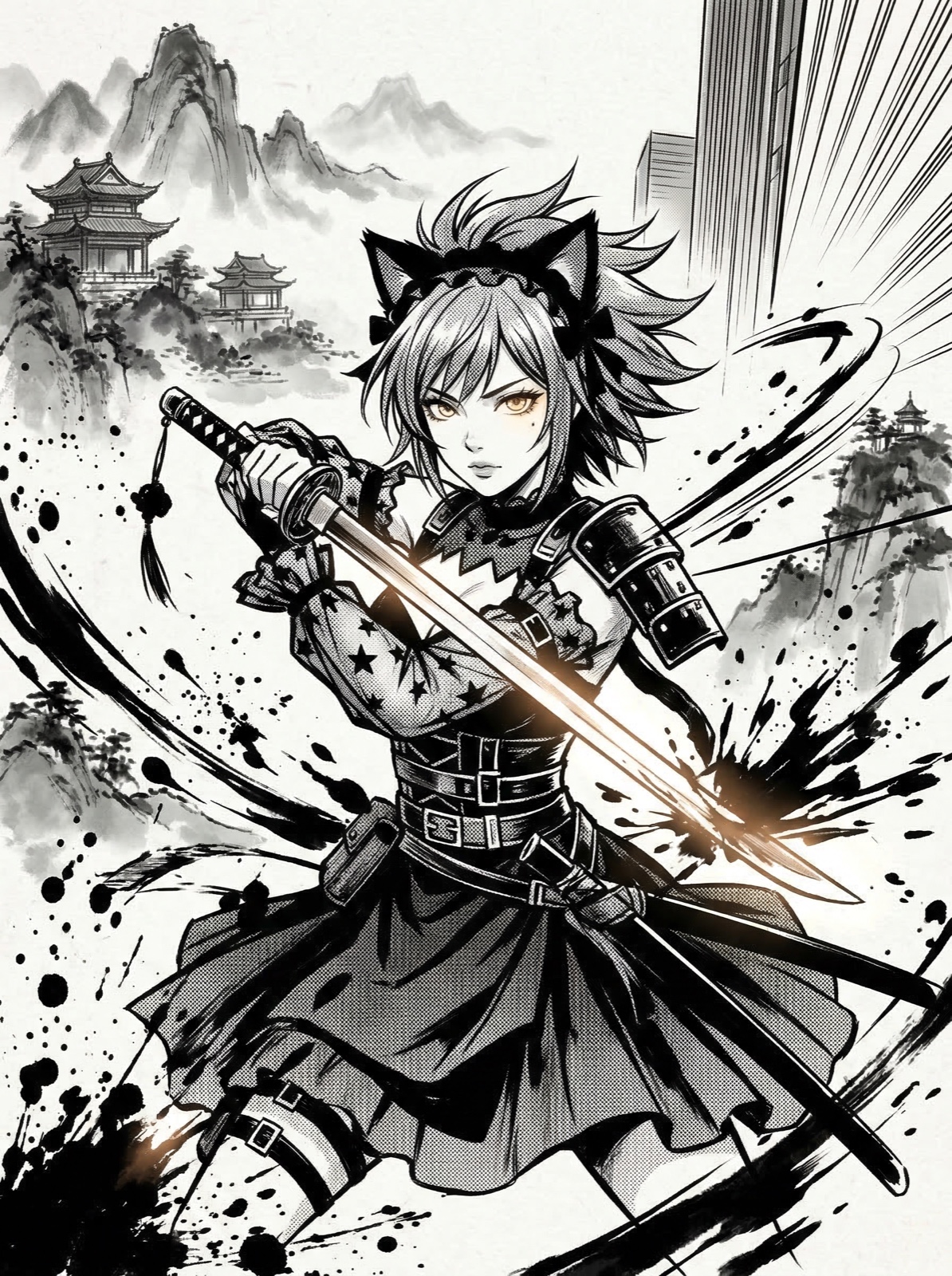
Use MangaGenAI's photo-to-manga tool to turn your reference into a manga or webtoon style image. Pick the style that fits your project: a clean shonen look, a soft shojo look, or a webtoon-style finish. Generate a few variations and compare them side by side. Look for a face that still resembles the reference, eyes that match your intended expression, and hair with a readable silhouette.
Step 3: Build the Turnaround
Once you have a base you like, move to the character sheet tool to create front, side, and back views in a consistent style. Keep the same outfit description, hair color, and accessories across all three views so the results match. Write down the key details as you go: hair length, eye color, shoe type, and any signature items. This note becomes the brief you reuse for every future panel.
AI output is a starting point, not a finished model sheet. Check each view against your base and fix anything that drifted before you use it as a reference.

Proportion, Outfit, and Accessory Tips
A turnaround is only useful if it is readable. A few habits make a big difference:
- Use a simple height reference. Note the character's height in heads, and place them against a neutral grid or a second character. Manga often exaggerates proportions, so decide early how stylized you want to be.
- Mark the eye line and hairline. These two anchors make front and side views easier to align.
- Describe outfits in layers. Name the base layer, outer layer, and accessories separately. This makes it easier to swap a jacket or change a season without redrawing everything.
- Keep accessories small and specific. A necklace, a hair clip, or a pair of glasses should appear in the same place in every view. If a detail only shows up in one panel, decide whether it is essential or just a passing flourish.
- Draw the shoes. Readers rarely check footwear, but artists do. Clear shoe designs prevent mismatches across chapters.
Common Mistakes to Avoid
- Skipping the back view. Hair structure and outfit details from behind are where inconsistencies often hide.
- Mixing styles in one sheet. If the front view is soft and the side view is sharp, the character will look like two people. Generate all views in one style.
- Changing the face between views. Check the eye spacing and nose length against the front view before accepting a side view.
- Overloading the sheet. A turnaround should be clear enough to work from. Save dramatic poses and effects for separate reference pages.
- Forgetting the rights question. If you plan to publish or sell the art, confirm what the tool allows and what you are responsible for before you commit.
Start Building Your Character Sheet
A strong character sheet makes every later step easier, from drawing your next page to briefing an artist or planning merchandise. You can explore the studio to organize references and try different styles at MangaGenAI or jump straight into the studio to start your own workflow.
New to the process? Read our AI photo-to-manga guide for a quick walkthrough, then turn a selfie into a manga base and build your first turnaround today.
Related articles
- Photo to Manga: Turn Your Selfie into Manga with AI
- From a Single Selfie to a Full Character Sheet: The Complete Workflow
- Turn a Selfie into a Manga Lead: The Complete Photo to Manga Guide
FAQ
What is the difference between a character sheet and a turnaround? A character sheet is the full reference page for a character. It can include expressions, outfit notes, color references, and one or more turnarounds. A turnaround is the specific part that shows the same character from front, side, and back views.
Can I make a manga character turnaround from a single selfie? You can create a usable base from one clear, front-facing selfie. For better side and back views, a second reference photo taken from a slight side angle helps the AI understand the structure of your face and head. Always review the results against your base before using them as a reference.
Why do front, side, and back views matter for consistency? Each view reveals details the others hide. The front view locks in facial proportions, the side view shows nose, jaw, and hair volume, and the back view covers hairstyle structure and outfit details. Together they give artists a complete reference so the character looks the same in every panel.
Do I need drawing skills to make an AI character sheet? No drawing skills are required to generate a starting point. However, reviewing the output for consistency, proportions, and small details is important. Basic knowledge of proportions, such as measuring height in heads, will help you judge whether the result works for your project.